







Search Results for: Australian Coffee Culture

Australian Coffee Culture Explained: Why You Shouldn't Stir a Latte or Flat White, and What to Know When Ordering
In Australia, when a cup of milk coffee with latte art is served, if you stir it before drinking, you might attract puzzled looks from those around you—this is not making a fuss over a trivial matter, but rather an interesting detail in Australian coffee culture. This article starts with the experience of an American boyfriend in an Australian café, guiding you to understand why Australian coffee has developed its own style, from Flat White and Piccolo to SOE, from milk foam handling to customized ordering, and further to the pursuit of flavor by specialty brands like Front Street Coffee, helping you understand the differences in coffee-drinking habits across regions, and allowing you to be more at ease when ordering in a café. [more…]

McDonald's Launches Aussie-Style Coffee to Challenge the American Style? Australian Baristas Show What Professional Craft Really Means
McDonald's has recently created a coffee exclusively for Australia called the Australiano, blending locally roasted beans, wattle seed, and chai flavors in an attempt to establish a signature drink for this country with a deep coffee culture. McCafé, a brand born in Melbourne in 1993, accounts for one in every four coffees sold in Australia. Now, with the launch of an Aussie-style coffee, it not only completes the soul of local coffee but also draws attention to Australia's coffee prowess. From the top-tier offerings in Melbourne and Sydney, to baristas' impressive skill of carrying multiple cups in one hand during peak hours, to the continuous emergence of innovations like the flat white, piccolo, and SOE, Australian coffee has long established its own school—even forcing Starbucks to retreat in its home market. This article takes you through the story behind this Aussie-style coffee and why Australian coffee culture is so formidable. [more…]

167 Years Later, Coffee Beans See the Light of Day Again: Archaeological Discovery Confirms Melbourne's Status as the Coffee Capital
Starbucks conquers cities across the globe, yet it suffered a Waterloo in Australia, and behind this lies Australia's own distinct coffee culture. Sydney and Melbourne have long vied for the title of "coffee capital," and an archaeological discovery has added strong evidence for Melbourne—archaeologists excavating a grocery store site at Melbourne's Metro Tunnel have unearthed coffee beans perfectly preserved from 167 years ago. This discovery traces Melbourne's coffee culture back to before the gold rush, rewriting our understanding of Australia's café era. This article will walk you through the details of this archaeological find, revisit the long history of Melbourne's coffee culture, and let you feel the profound global influence of Australian coffee. [more…]
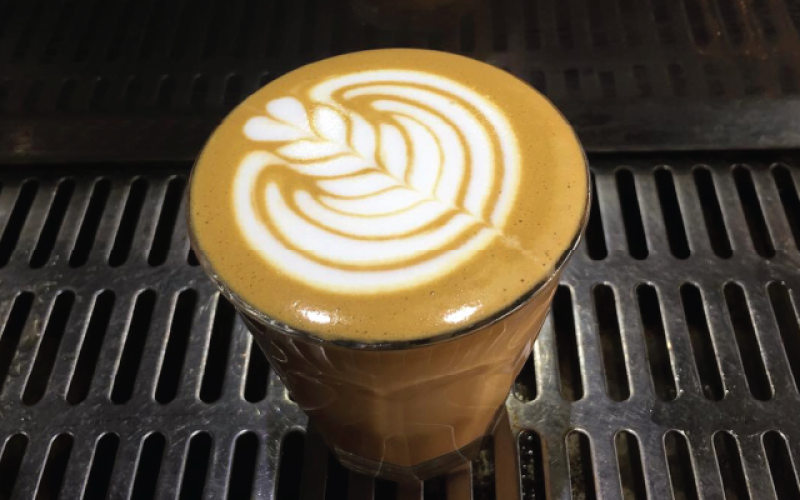
Why Is the Piccolo Latte So Hard to Find in China? A Full Analysis from Australian Coffee Culture to Flavor Characteristics
In Australian cafés, Flat White and Piccolo Latte are equally common, but the former has long since blossomed everywhere in China, while the latter rarely appears on menus. Why does this disparity exist? What kind of coffee is Piccolo Latte exactly, and what makes its flavor so distinctive? From the perspective of Front Street, this article traces the background of Piccolo Latte's popularity in Australia, its origins with Flat White, and how the domestic market environment affects acceptance of this small-volume coffee, giving you a comprehensive understanding of this underrated coffee drink. [more…]
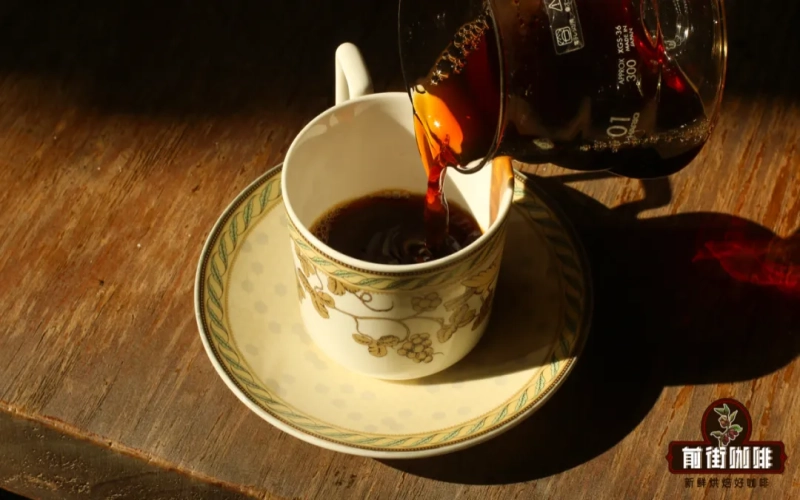
The Naming Origins and Classification System of Black Coffee and White Coffee: From Australian Café Culture to Global Cognitive Differences
The term "black coffee" is familiar to us—it covers all pure coffee drinks with no added flavorings, such as pour-over, cold brew, and Americano. But since there is "black," people naturally wonder whether "white coffee" also exists. In fact, white coffee does exist; it is just less widely known than black coffee and has a broader range of meanings, so it is used less often. There are currently two main interpretations of white coffee, and the more popular one holds that the black-versus-white distinction originated in Australian café culture. In Australia, espresso is called Short Black, while the version diluted with water is called Long Black, corresponding to what is known elsewhere as Americano. Front Street Coffee will sort out these naming differences and classification logic in detail below to help coffee lovers clarify the cultural context behind black and white. [more…]
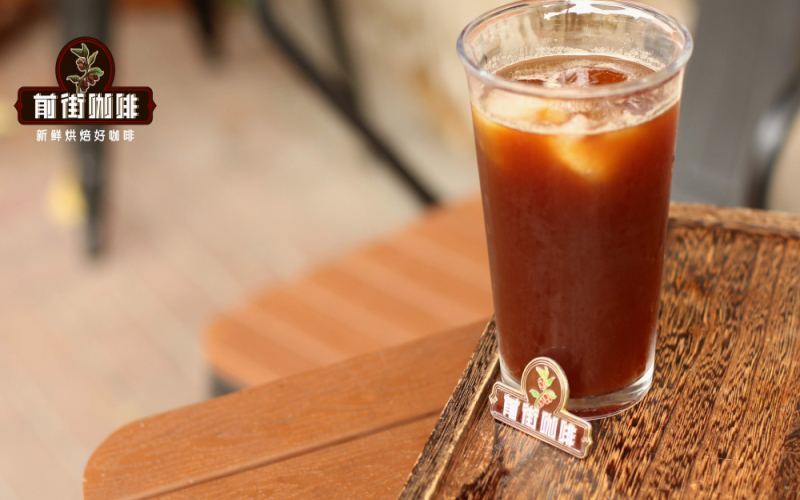
What is an Australian Long Black? How does it differ from Americano and Lungo in terms of serving characteristics?
On the menus of many cafés, Americano often appears first and is one of the most frequently ordered black coffees. As specialty coffee culture continues to deepen, some originally niche coffee types are being added to menus by more shops, among them the Long Black, which looks quite similar to an Americano. Long Black is often translated as Australian Black Coffee. It uses espresso as its base and, by adjusting the proportion of water added and the order of serving, presents a concentration and mouthfeel layering different from Americano. This article will sort out the origins and preparation methods of the Long Black, as well as its differences from Americano in water amount, concentration, and flavor expression. At the same time, combined with Front Street Coffee's approach to serving, it will help coffee lovers more clearly understand the respective styles of these black coffees. [more…]
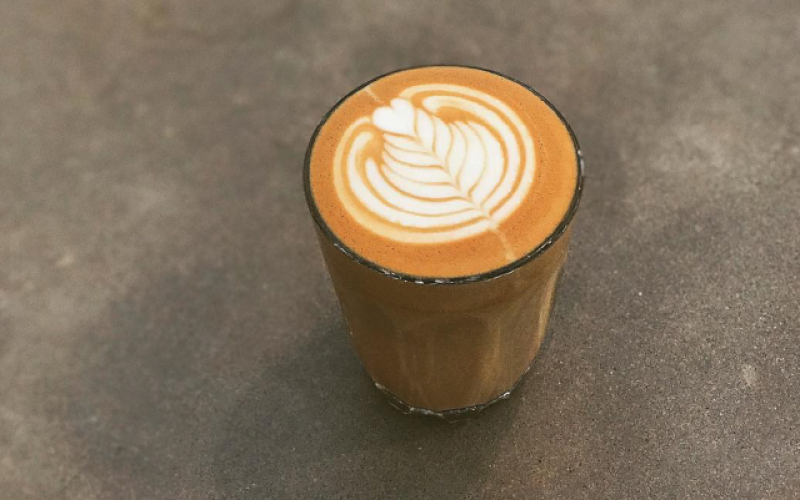
What is Australian Piccolo Latte Coffee? A Full Analysis from Its Origins to Front Street Coffee's Production Method
Beyond the latte, cappuccino, flat white, and dirty, there is another coffee with a very small cup size yet concentrated flavor—the Piccolo Latte. It originated in Australia, deeply influenced by Italian coffee culture, with a cup size about half that of a regular latte, drinkable in two or three sips. The original intention of the Piccolo was for roasters and baristas to reduce the milk ratio when dialing in coffee to avoid waste, and it later became an ideal choice for people who do not want to consume too much caffeine or feel too full. This article will start with the definition, origin, and recipe controversies of the Piccolo, and then introduce in detail how Front Street Coffee uses its own roasted "Sunflower Warm Sun Blend Coffee Beans," a single Ristretto, and a small amount of steamed milk to create an Australian-style Piccolo with full aroma and a long finish, giving you a complete understanding of this niche yet charming coffee. [more…]

What is a flat white? Are Starbucks' Ristretto Bianco and flat white actually the same drink?
Flat White, commonly known as Australian White coffee, is one of the most iconic espresso milk drinks from Australia and New Zealand, and in recent years it has become almost ubiquitous on café menus in China. However, its place of origin is still debated between Australia and New Zealand; and the relationship between Starbucks' "Fu Rui Bai," the colloquial "Ao Rui Bai," and the flat white often confuses coffee enthusiasts. This article will walk you through the origins of the flat white, how it differs from a latte and a cappuccino in terms of milk foam and cup size, why Australian White is usually not served iced, and share espresso extraction approaches for recreating Australian White at home along with Front Street Coffee's espresso blend bean options, helping you gain a more complete understanding of this classic milk coffee with its rich body and velvety microfoam. [more…]
What's the Difference Between a Flat White and a Latte? A Clear Explanation from Ratios and Milk Foam to Home Brewing
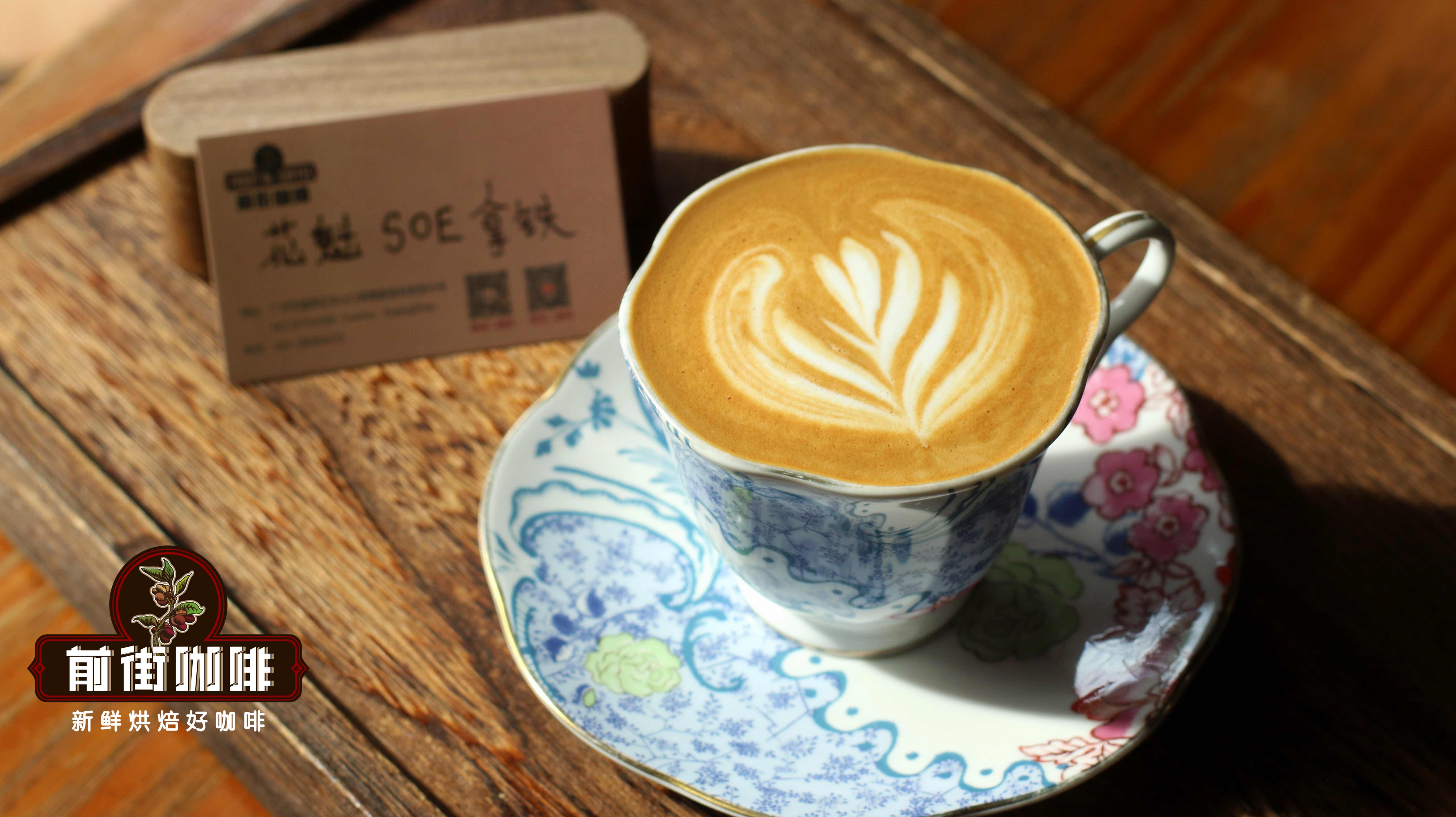
Flat White has become almost ubiquitous in domestic cafés in recent years, yet many people are still unclear about how exactly it differs from a latte. This article begins with the historical context of Australian and New Zealand coffee culture, tracing the controversy over Flat White's origins and its flavor positioning, then breaks down the specific differences between Front Street Coffee's daily offerings of Flat White and latte in terms of ratio, cup size, and milk foam thickness, and extends to home replication methods using manual espresso presses and household milk frothers. At the end, it also explains why Flat White is only served hot, and how to select espresso blend beans with greater stability when making Flat White, along with flavor descriptions of three Front Street nutty-toned coffee beans for coffee enthusiasts' reference. [more…]

An In-Depth Analysis of the Core Differences Between Flat White and Latte: A Comprehensive Comparison from Milk Foam Thickness to Drinking Method
What exactly are the differences between a Flat White and a latte? Many people assume it is merely a matter of milk foam thickness, but in reality the two differ systematically in cup size, espresso dosage, milk foam texture, and serving temperature. This article begins with the controversy over the origins of the Flat White, sorts out the specific differences in preparation parameters between it and a latte, explains why a Flat White is served only hot, and offers equipment selection and operational advice for home brewing scenarios. At the same time, the article also compiles several Front Street Coffee espresso blends suitable for making a Flat White, including the Specialty Blend, Commercial Blend, and Dark Cocoa Blend, to help readers choose the right base beans and make a rich, full-bodied Flat White at home. [more…]

An analysis of the flavor differences between Starbucks Flat White, Latte, and Australian White Coffee, along with a complete breakdown of the Australian White Coffee-making process.
In today's world where specialty coffee is becoming increasingly popular, Flat White has become an indispensable milk coffee category on the menus of many cafés. Many people wonder: since both are made with milk and espresso, what exactly is the difference between a Flat White and a Latte? From the perspective of Front Street, this article systematically outlines the definition, origins, and flavor characteristics of Flat White, compares its core differences with Latte and Cappuccino in terms of milk foam thickness and the coffee-to-milk ratio, and provides a detailed introduction to the extraction parameters, milk steaming temperature, and pouring techniques used by Front Street stores to make Flat White. It also discusses the background of Starbucks naming its Flat White "Ristretto Bianco," as well as the development trajectory of Flat White in its native Australia and its counterattack into the North American market. [more…]

Australian-style white coffee recipe | Which is more bitter, Starbucks Flat White or Americano? What are the characteristics of flat white and cappuccino?
No matter which coffee shop we go to, we can always see very familiar names on the menu: Americano, Latte, Flat White... These coffees have become widely known in China thanks to Starbucks' promotion. Since Starbucks added Flat White to its menu in 2020 [more…]

How Is a Long Black Different from a Flat White? Is a Long Black an Americano? Analyzing the Taste Characteristics of a Long Black
In Australian coffee culture, the Long Black is a highly representative black coffee drink. Like the Americano, it is made from espresso and water, yet it has its own unique brewing logic and flavor expression. As the Flat White has gained popularity in China, more and more cafés have introduced Australian-style espresso drinks to their menus, and the Long Black has gradually come into the view of coffee enthusiasts. So, is a Long Black actually an Americano? How does it differ from an Americano in terms of water ratio, brewing order, and mouthfeel? From the perspective of Front Street Coffee, this article sorts out the definition of the Long Black, its real differences from the Americano, and why it can retain a rich Crema and present a more intense coffee flavor, giving you a comprehensive understanding of this Australian specialty coffee. [more…]
What exactly is white coffee? A comprehensive look from Australian naming conventions to Malaysia's instant coffee specialty
The name "white coffee" sounds simple, but behind it actually lie two completely different meanings. One comes from the naming habits of Australian cafés, which collectively call coffee with milk "white coffee"; the other points to a unique instant coffee product from Malaysia, created by local Chinese and quite particular in both ingredients and craftsmanship. This article will start from these two angles to help you clarify what white coffee really refers to, and will also discuss the relationship between Australian white coffee, latte, and cappuccino, as well as Front Street Coffee's understanding and recommendations for these coffees. [more…]

Is Flat White Coffee Good? A Comprehensive Analysis of Australian White Coffee Flavor Characteristics, Hot and Iced Options, and Brewing Methods
Flat White is an Italian-style milk coffee made with espresso as its base, using less milk and featuring a prominent coffee flavor. In China, it is also translated as "Ao Bai coffee" or "little white coffee." Compared with a latte and a cappuccino, its milk foam is thinner and its coffee ratio is higher, with the finished drink at about 100 to 200 milliliters. Regarding its origin, Australia and New Zealand have been arguing to this day, and this has also given rise to two production schools: one using a single shot of espresso and the other using a double ristretto. This article will introduce in detail the characteristics of the Flat White, the controversy over its origin, the choice between hot and iced versions, and the double espresso extraction parameters and blend bean recommendations used in Front Street Coffee stores, helping coffee lovers make a cup of rich coffee-flavored Australian white coffee at home as well. [more…]
The Piccolo Latte Craze in Sydney, Australia: Feature Analysis and a Detailed Guide to the Aussie Method
Among the dazzling array of milk coffee varieties, latte, cappuccino, and flat white have long been household names, while the somewhat obscure name of piccolo coffee often leaves people puzzled. It originated in Australia, deeply influenced by Italian coffee culture, with a cup size only half that of a latte, drinkable in two or three sips—a refined combination of espresso and a small amount of milk foam. This article will guide you through the definition and origins of the piccolo latte, the controversies surrounding its recipe, and how Front Street Coffee uses its own roasted Sunflower Warm Sun blend to interpret this mini latte, along with sharing key tasting points, so you can fully understand this small yet flavor-packed Australian classic. [more…]
How Is Starbucks Flat White Different from an Aussie White Latte? A Comparative Analysis of Espresso and Milk Coffee Flavors
Flat White, Australian White, Latte, and Cappuccino—these names sound similar, and they taste somewhat alike, but they actually differ in the ratio of coffee to milk, the thickness of the milk foam, and the choice of espresso. This article begins with the marketing push behind Starbucks' Flat White, tracing the evolution of the term "Flat White" from its derogatory use in a British film to its emergence as a coffee name in the 1980s, and sorts out the controversy between Australia and New Zealand over its origin. At the same time, the article will also compare Australian White, Latte, and Cappuccino in terms of cup size, milk foam thickness, and flavor, and introduce the specific parameters and blend bean choices used by Front Street Coffee to make Australian-style white coffee. [more…]

Australian café menu shocks with "breast milk" option: priced at 5 Australian dollars, ten times more expensive than oat milk
In recent years, coffee shops have been rolling out alternative dairy products such as oat milk, almond milk, and coconut milk to cater to diverse needs. However, a café in Melbourne wrote "Next week: breast milk A$5" on its menu, surprising customers. Although the shop later said it was just a joke, a café in Russia did once make cappuccinos with breast milk, priced at as much as 650 rubles per cup. It is worth noting that in our country, human breast milk is explicitly prohibited from being sold as a commodity. This article will walk you through the ins and outs of this "breast milk coffee" controversy. [more…]
How should you order a Flat White to make it taste best? A full explanation from the Australian origins of Flat White to Front Street Coffee's offerings
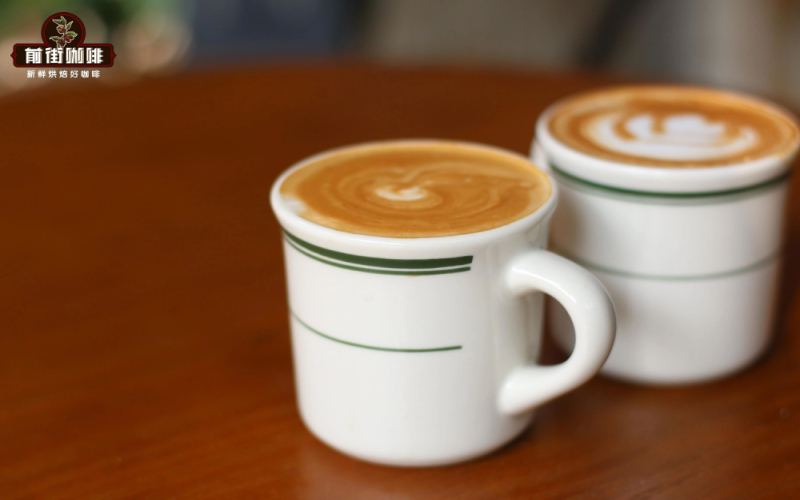
Flat White is often called 馥芮白, 澳白, or 小白 in China, but many people are not clear about the essential differences between it and a latte or cappuccino. This article begins with the evolution of Australian milk coffee, tracing how Flat White was born within the coffee culture of Italian immigrants and how it was later pushed to global popularity by Starbucks. At the same time, drawing on the production practices of Front Street Coffee, it introduces key methods such as double Ristretto, small cup volume, and thin milk foam, as well as the vanilla, chocolate, whiskey liqueur center, and berry flavors brought by the "Sunflower Warm Sun Blend," helping you find the right way to order and taste a Flat White. [more…]

Starbucks Flat White Taste Test: How It Differs from Australian Flat White and Ristretto Bianco, Explained in One Article
Starbucks launched the Flat White, translated into Chinese as "馥芮白" (Furui Bai), a name that leaves many people scratching their heads. Is it really the same coffee as Australian White or "醇艺白"? And how does its taste differ from a latte or cappuccino? Starting from actual tasting and incorporating the debate between Australia and New Zealand over the origins of the Flat White, this article sorts out the flavor characteristics and the naming chaos surrounding this coffee. The article also mentions that McDonald's in China has long had the Flat White on its menu, priced at around 10 yuan, while a cup at Starbucks costs 36 yuan. If you are looking for a rich, smooth cup of coffee, Front Street Coffee also has relevant bean recommendations — feel free to use the flavor descriptions in this article as a guide for choosing. [more…]